+86 13553888868

kikyo@hanbscnc.com
English

Views: 0 Author: Site Editor Publish Time: 2025-11-04 Origin: Site


The Swiss CNC lathe has become a cornerstone of precision manufacturing — producing small, high-accuracy components for industries such as medical, aerospace, automotive, and electronics.
Yet, skilled operators who can program, optimize, and maintain these machines remain in high demand.
If you’re starting your journey in machining, here’s how to move from apprentice to senior technician step by step.
At the beginning, focus on understanding the machine and machining basics. Don’t rush into programming — learn safe, hands-on operation first.
Key skills to learn:
Know the main components: spindle, guide bushing, sub-spindle, tool post, and coolant system.
Study material cutting behavior (stainless steel, titanium, brass, etc.).
Practice part loading, tool setup, and basic measurement.
Follow strict machine-safety and maintenance rules.
Goal: Operate the Swiss lathe safely and complete simple machining tasks under supervision.
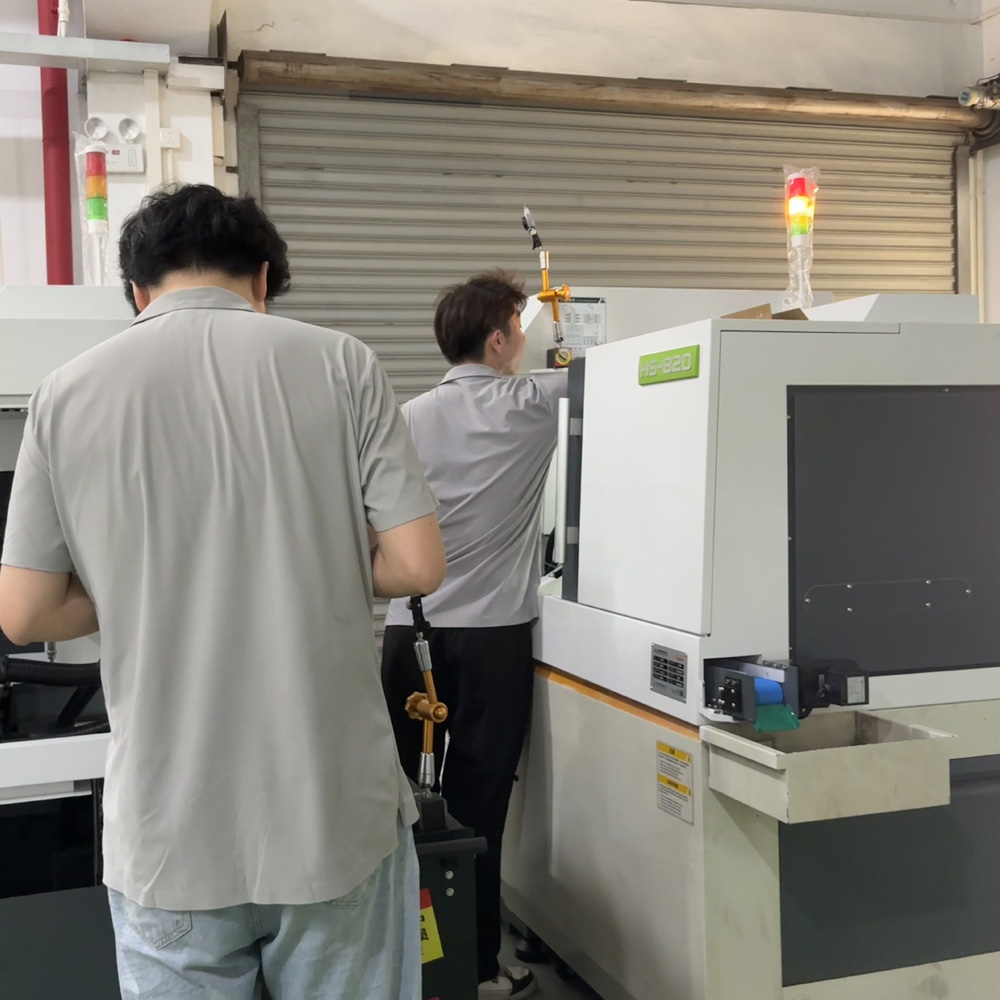
Once you can operate independently, the next stage is developing confidence and consistency in real production.
What to focus on:
Learn the logic of CNC controls (FANUC, Mitsubishi, Cincom, etc.).
Understand machining sequences and tool layouts.
Use micrometers and gauges for quality checks.
Troubleshoot basic issues like chatter, burrs, and size deviation.
Goal: Handle small-batch production and adjust process parameters confidently.
Now it’s time to grow beyond operation and learn CNC programming and process optimization.
Core skills:
Understand multi-channel (main/sub spindle) programming logic.
Use CAM software such as Esprit, GibbsCAM, or Citizen Wizard.
Manage tool life and cooling systems.
Fine-tune cutting parameters for surface finish and cycle-time reduction.
Goal: Independently program and optimize complex Swiss turning operations.
A senior machinist combines technical mastery with process design and leadership.
Responsibilities include:
Develop machining process plans and tool configurations.
Lead setup reduction and cost-saving projects.
Train junior machinists and standardize procedures.
Analyze production quality and propose continuous improvements.
Participate in equipment selection and validation.
Goal: Become the technical backbone of the Swiss CNC production team.
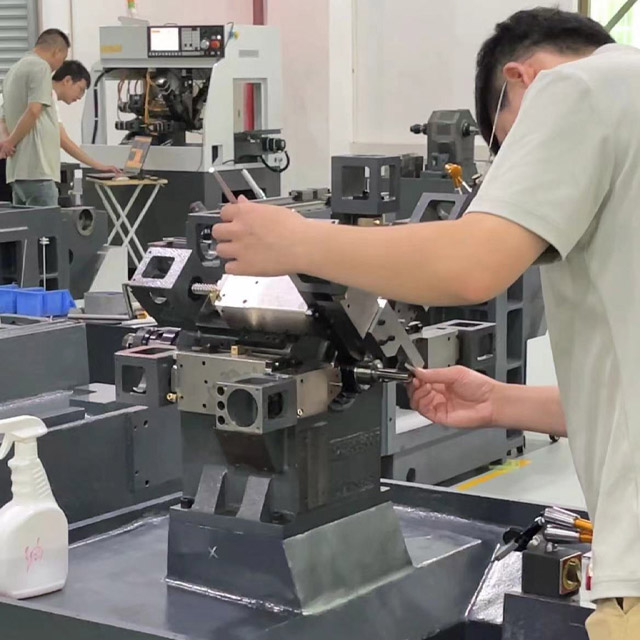
As automation and smart manufacturing evolve, top-level machinists must integrate new digital technologies.
Future-ready skills:
Implement automatic bar feeders and robotic loading systems.
Use IoT and MES systems for real-time production monitoring.
Explore AI-based compensation and digital-twin simulation.
Drive innovation through process analysis and data-driven improvement.
Goal: Lead the shift from manual expertise to smart, data-enabled precision machining.
The journey from apprentice to expert on a Swiss CNC lathe is not only about mastering tools and machines — it’s about developing analytical thinking, precision, and leadership.
In today’s high-precision manufacturing world, skilled Swiss lathe technicians remain among the most valuable professionals on the shop floor.